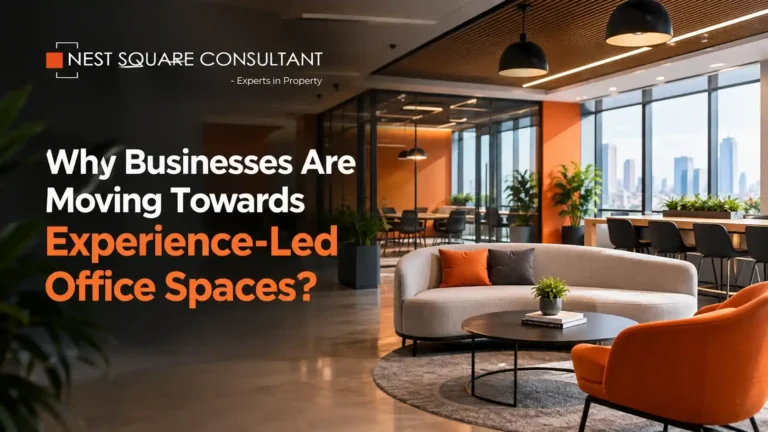

Why Office Interior Mistakes Cost More Than You Think
A bad design choice rarely shows up as one big bill. It shows up slowly. You pay for rework, extra furniture, and repairs. Your team loses focus in a noisy or poorly lit space. Clients walk in and quietly form an opinion about your business. Some studies on workplace design have linked office environment to employee satisfaction and retention, so a poorly planned space can even affect who stays with you.
The good news is that almost every one of these problems can be avoided with better planning at the start.
10 Common Commercial Interior Design Mistakes (and How to Avoid Them)
1. Choosing the Space Before Thinking About the Interiors
Many businesses sign a lease first and call a designer later. Then they discover the low ceiling, the awkward pillars right in the middle of the floor, the single washroom block, or the weak air-conditioning capacity. Interiors can hide some flaws, but they cannot fix a bad floor plate.
This is where a Commercial Property Consultant in Andheri can save you real money. Andheri is one of Mumbai’s busiest business hubs, with options spread across Andheri East, Chakala, Marol, and Andheri West. Someone who knows these buildings well can tell you which spaces suit your layout before you commit.
What to Check Before You Sign
Look at the carpet area versus chargeable area, ceiling height, natural light, power backup, parking, washroom access, and the building’s rules on interior work. These details shape your final design more than most people realise.
2. Starting Without a Clear Brief or Budget
“Make it look modern” is not a brief. Without clarity on headcount, number of cabins, meeting rooms, and must-have features, designers end up guessing, and revisions pile up.
Write down what you need today and what you’ll need in two years. Fix a realistic budget, and keep a 10 to 15 percent buffer for surprises. Something unexpected almost always comes up once work begins.
3. Designing for Looks Instead of How Your Team Works
A space that looks great on Instagram doesn’t always work on a Monday morning. A sales team on calls all day needs very different surroundings from a design team that needs quiet focus.
Spend time understanding how your people actually work. Where do they collaborate? Where do they need privacy? A good layout follows real habits, not just trends.
4. Getting the Lighting Wrong
Harsh white tube lights, dark corners, and glare on screens are more common than you’d expect. Poor lighting leads to tired eyes and low energy by mid-afternoon.
Use natural light wherever possible and layer it with warm, even ceiling lighting and task lights at desks. Keep workstations near windows rather than giving all the daylight to cabins.
5. Ignoring Noise and Acoustics
Open-plan offices are popular for good reason, but without acoustic planning, they quickly become noisy. Phone calls, chatter, and echoing meeting rooms make it hard for anyone to concentrate.
Acoustic ceiling panels, carpet tiles, soft furnishings, and a couple of small phone booths make a big difference. Plan these from the start, because adding them later is always more expensive.
6. Too Few Power Points and Too Little Storage
Nothing frustrates a team faster than extension cords snaking across the floor. Similarly, poor storage turns a clean office into a cluttered one within weeks.
Map out every device, printer, screen, and charging need before the electrical work begins. Plan storage for files, personal belongings, and pantry supplies right into the design.
7. Not Planning for Growth
Many businesses design for exactly the number of people they have today. Six months later, they’re squeezing in extra desks wherever they fit.
Leave some flexible space, choose modular furniture, and plan wiring that can support more workstations. Growth should feel exciting, not like a crisis.
8. Overlooking Approvals and Building Rules
Most commercial buildings in Mumbai have their own fit-out guidelines, permitted working hours for noisy work, and fire safety requirements. Skipping these can lead to work being halted, fines, or costly changes later.
Make sure your project team handles the necessary permissions and follows the building’s rules from day one.
9. Juggling Too Many Vendors
Hiring a separate carpenter, electrician, painter, furniture supplier, and AC contractor might seem cheaper. In reality, it often means delays, finger-pointing, and you acting as an unpaid project manager.
That’s exactly why more companies now prefer Turnkey Office Interiors in Mumbai. With a turnkey approach, one team takes responsibility for design, execution, approvals, and handover. You get one point of contact, one timeline, and far fewer headaches.
10. Choosing Materials That Don’t Suit Mumbai’s Climate
Mumbai’s monsoon is tough on interiors. Cheap plywood swells, laminates peel, fabrics catch mould, and walls show seepage marks.
Pick moisture-resistant boards, good-quality laminates, easy-to-clean upholstery, and durable flooring. Spending a little more on the right materials saves a lot on repairs after every rainy season.
How to Choose the Right Office Interior Designer in Mumbai
The right partner can help you avoid almost every mistake on this list. When you’re looking for an Office Interior Designer in Mumbai, go beyond a polished portfolio.
Ask to visit a completed office, not just see photos. Request an itemised quote so you know exactly what you’re paying for. Check whether they handle approvals, what their timeline commitment looks like, and what support they offer after handover. Clear answers to these questions usually point to a team you can trust.
How Nest Square Consultant Helps Businesses Get It Right
What makes Nest Square Consultant different is that we look at your office as one complete journey, not separate jobs. Many interior problems start long before design begins, at the property selection stage.
Our team helps you find a commercial space that suits your business, your headcount, and your budget. If you’re looking at Andheri, our experience as a Commercial Property Consultant in Andheri means we can flag building limitations early, before they become design problems.
Once the space is finalised, we take it forward with planning, design, execution, and handover. Our Turnkey Office Interiors in Mumbai service is built for business owners who want a smooth project without managing a dozen vendors.
Conclusion
A well-designed office supports your people, impresses your clients, and grows with your business. A poorly planned one quietly drains time, money, and energy. Most mistakes come down to rushing the early decisions, so slow down at the start, ask the right questions, and work with people who understand both property and interiors.
Planning a new office or redesigning your current one? Talk to Nest Square Consultant today and let’s build a workspace that truly works for your business.
FAQs
1. What are the most common commercial interior design mistakes?
The most common mistakes are poor space planning, unclear budgets, bad lighting, ignored acoustics, too few power points, no room for growth, and skipping building approvals. Most of them can be avoided with proper planning upfront.
2. What does turnkey office interiors mean?
Turnkey office interiors means one company handles everything, from design and approvals to civil work, furniture, electricals, and final handover. You deal with a single point of contact and walk into a ready-to-use office.
3. How long does an office interior project take in Mumbai?
A typical office fit-out in Mumbai takes 6 to 12 weeks for small to mid-sized spaces. Larger offices may take longer. Building approvals, permitted work hours, and material availability can all affect the timeline.
4. How much budget should I keep aside for unexpected interior costs?
Most experts suggest keeping 10 to 15 percent of your total interior budget as a contingency. This covers surprises like site repairs, design changes, or price increases in materials during the project.
5. How do I choose the right office interior designer in Mumbai?
Look at completed office projects, visit at least one site, and ask for an itemised quote. Check whether they handle approvals and offer post-handover support. Clear timelines and transparent communication are good signs.